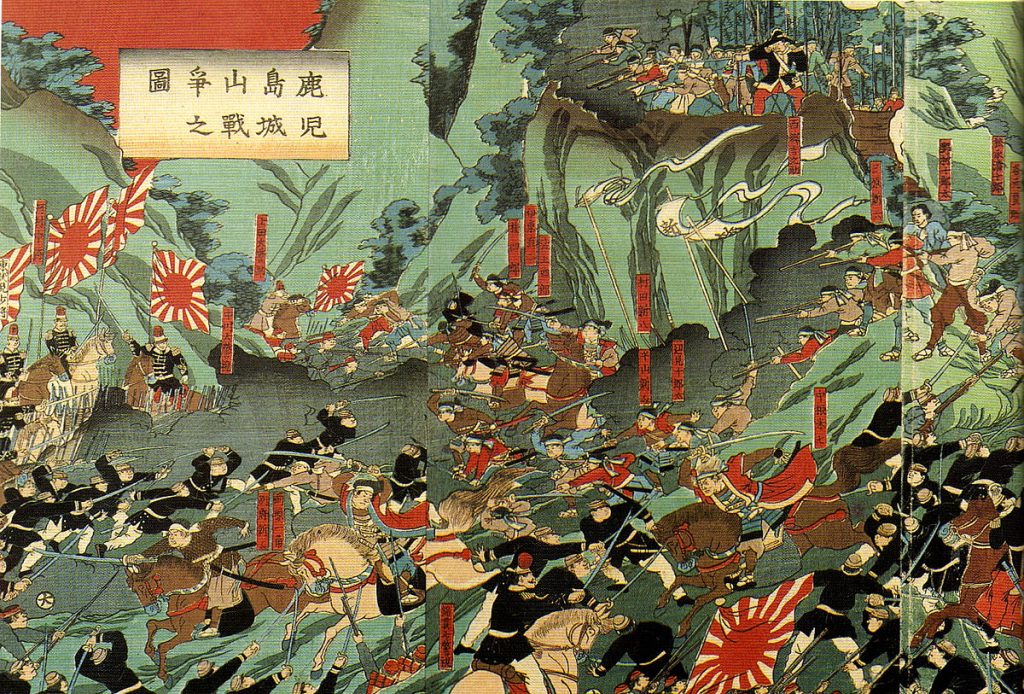
, i.e. Japanese armor, is the dream of every samurai - both a modern warrior and one living in ancient Japan. It is armor corresponding to the European medieval strip or scale armor, which, although it did not protect as effectively as full plate armor, allowed full freedom of movement both during horse riding, archery and foot fighting.

This armor was introduced in the mid-10th century, during the late Heian period. Due to its price and long production process, initially it was used only by wealthy samurai (cavalry, archery) and generals who could afford to buy such a treasure. Later in the 15th century it was more widely available and its poorer version was also used among the infantry.

 The entire armor of a Japanese warrior consisted of several basic parts:
- Kabuto (兜) – helmet
- Menpo (面頬) – masks
- Dō (胴) – breastplate
- Sode (袖) – shoulder pads
- Kote (籠手) – long gloves
- Hai-date (佩楯) – an apron protecting the hips/thighs
- Sune-ate (脛当) – greaves
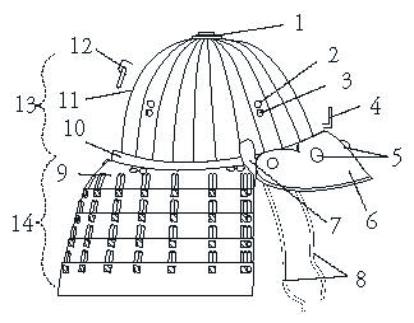
- Tehen (天辺) – a hole on the top of the helmet used to pull hair that did not fit under the helmet
- Shiten no byô (四天の鋲) – rivets protecting ropes pulled by hibiki no ana from being cut off
- Hibiki no ana (響の穴) – holes used to eliminate vibrations during impacts, through which silk cords were also pulled in such a way that they created a kind of "trampoline" from the inside of the helmet
- Haraidate (祓立) – mounting for the front ornament (datemono)
- Sanko no byô (三光の鋲) – rivets securing the canopy
- Mabizashi / maebashi (眉庇 / 前橋) – visor to protect part of the face and against sun rays
- Fukigaeshi (吹返) – side wings that support the shikoro
- Shinobi no o (忍びの緒) – silk cords used to attach the helmet to the samurai's head
- Hachitsuke no ita (鉢付の板) – the first of the movable shikoro plates directly attached to the base of the helmet
- Koshimaki (腰巻) – a decorative piece of cloth
- Suji (筋) – helmet bell
- Kasajirushi no kan (笠標の鐶) – a ring used to attach a rope supporting a small banner used to identify a unit and/or samurai
- Hachi (鉢) – upper part of the helmet (dome)
- Shikoro (鍜) – a neck guard consisting of three to seven movable plates

- Mimi (耳)
- Hoo (頬)
- Hana (鼻)
- Asenagare (汗流)
- Nodowa (喉輪) – neck and throat protection in the form of a "U"-shaped plate covered with small plates connected together
- Uchihari (内張)
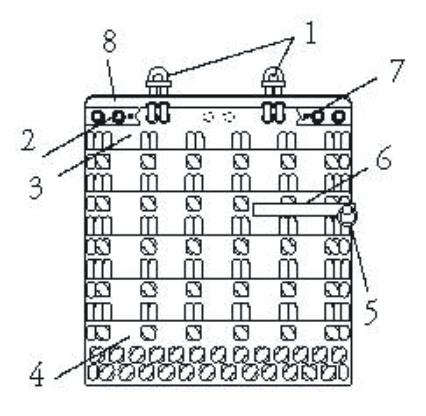
- Kohaze (鞐)
- Hassô byô (八双鋲)
- Ichi no ita (の板)
- Hishinui no ita (菱縫の板)
- Mizunomi no kan (水呑の鐶)
- Kôgai no kanamono (笄の金物)
- Hassô kanamono (八双金物)
- Kanmuri ita (冠板)

- Kotezuke no kohaze (籠手着の小札)
- Shinoikada (篠筏)
- Shinō (篠)
- Tekkô (手甲)
- Hiji gane (肘金)
- Tekkô no o (手甲)
- Kanmuri ita (冠板)
- Kusari (鎖)

- Chikaragawa (力革)
- Muchisashi-no-ana (鞭差穴)
- Omeri (於女里)
- Iyo (伊予) / Kawara (瓦)
- Hikiage-no-o (引上の緒)

- Tateage (立上)
- Kusari (鎖)
- Ieji (家地)
- Kakozuri (鉸具摺)
- Shita no o (上の緒)
- Shinō (篠)
- Ue no o / Uwa o (下の緒)
 Although the yoroi provided very good protection for the samurai during battle against many forms of attacks and wounds, it was far from perfect. The Katori Shino Ryu techniques were designed specifically to be used seme – a gap in the enemy's armor. These gaps resulted mainly from connecting individual parts of the yoroi, often with silk cords or leather straps, which were not as durable as the rest of the armor.
Already at the initial stage of learning, our students will learn several basic strokes using these discoveries:
- Tsuki - a stick in the larynx, as a connecting point between the menpo mask and the throat cover - nodal
- Kubi – a cut to the left or right side of the neck (artery), as a connection point between the menpo mask and the underside of the kabuto helmet
- Dō-uchi – a diagonal cut aimed at the left or right side of the line below the wide belt obiA belt used to gird traditional Japanese kimonos, yukatas and keikogi, both for men (approx. 10 cm) and women (approx. 30 cm). More, as a connecting point between the dō breastplate and the hai-date apron
- Kote-uchi – a cut to the uncovered (underside) side of the wrist under kote gloves
- Sune-uchi – a humiliating diagonal cut to the back or side, uncovered part of the knee