
because
A stick about 1.82 m (6 shaku) long and about 3 cm (1 sun) in diameter, made of a single piece of wood (usually oak or beech), used for fighting after the tip of a yari spear or naginata breaks


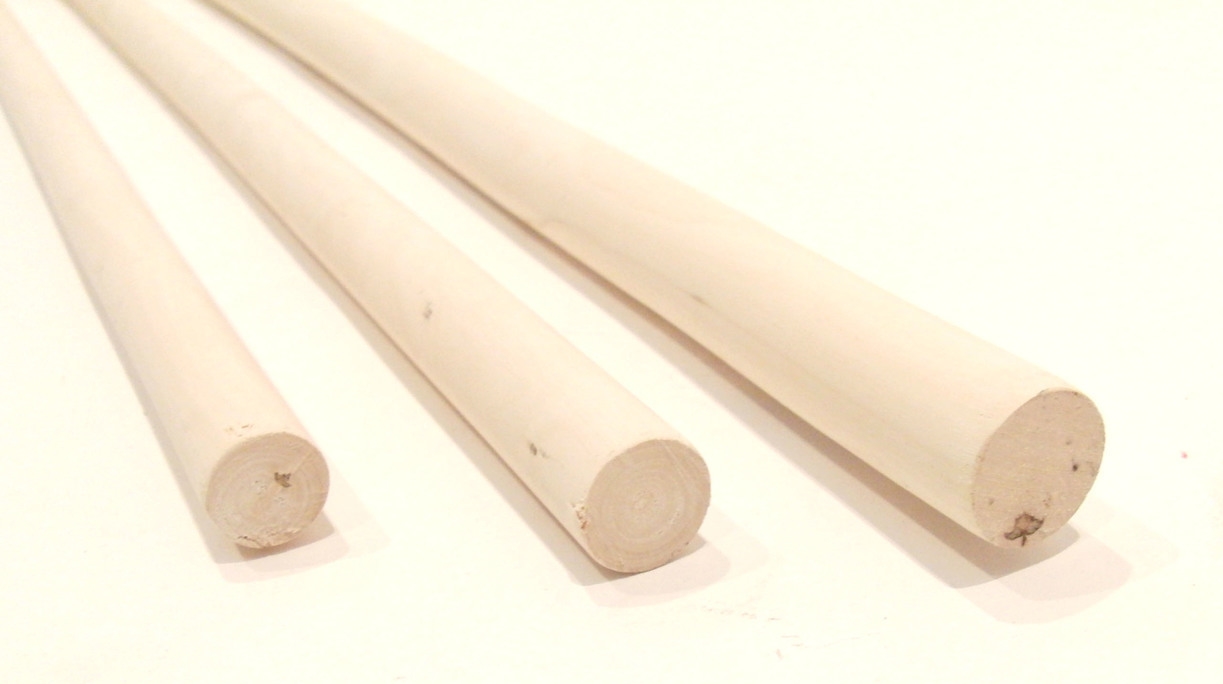
A stick about 1.82 m (6 shaku) long and about 3 cm (1 sun) in diameter, made of a single piece of wood (usually oak or beech), used for fighting after the tip of a yari spear or naginata breaks
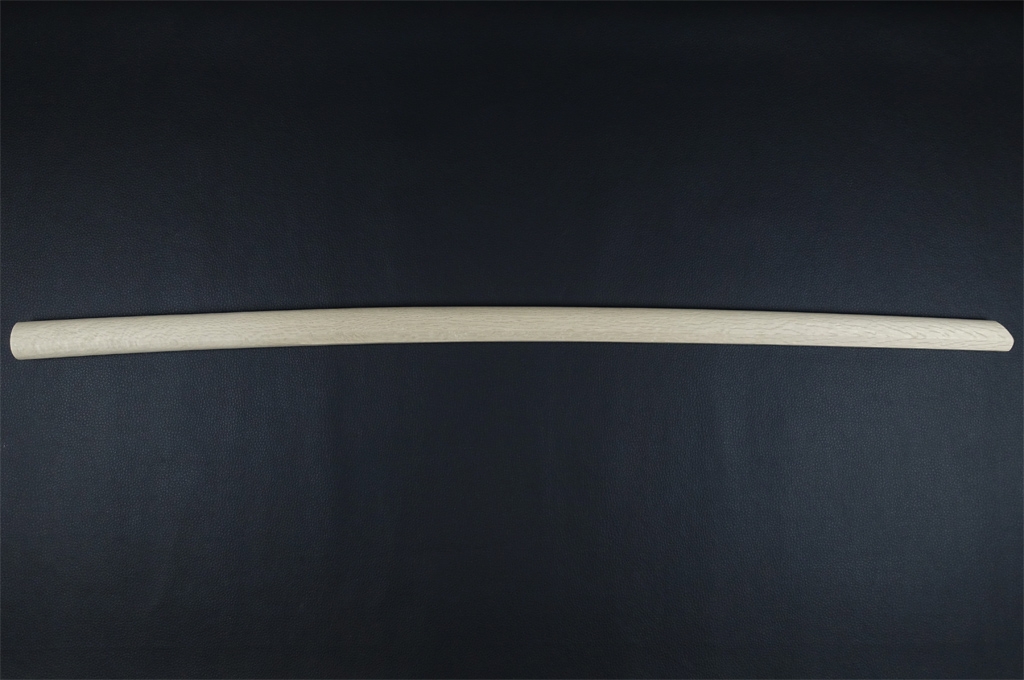
A wooden training sword, usually in the shape of a katana, less often a wakizashi or tantō.
Literally means "dōjō head". The person responsible for the administration of the dōjō.
Pants that are part of the traditional Japanese outfit. Originally, they were worn only by men, but nowadays they are also worn by women. They are also used in Japanese martial arts.
The main, place of honor in the dōjō, with the teacher, a sign with the name of the school and - in some dōjō - a small altar.
A cap, the end (often decorative) of the handle (tsuka), i.e. the head of Japanese swords: (katana, wakizashi, tantō) in the form of a metal or bone cap or mushroom.
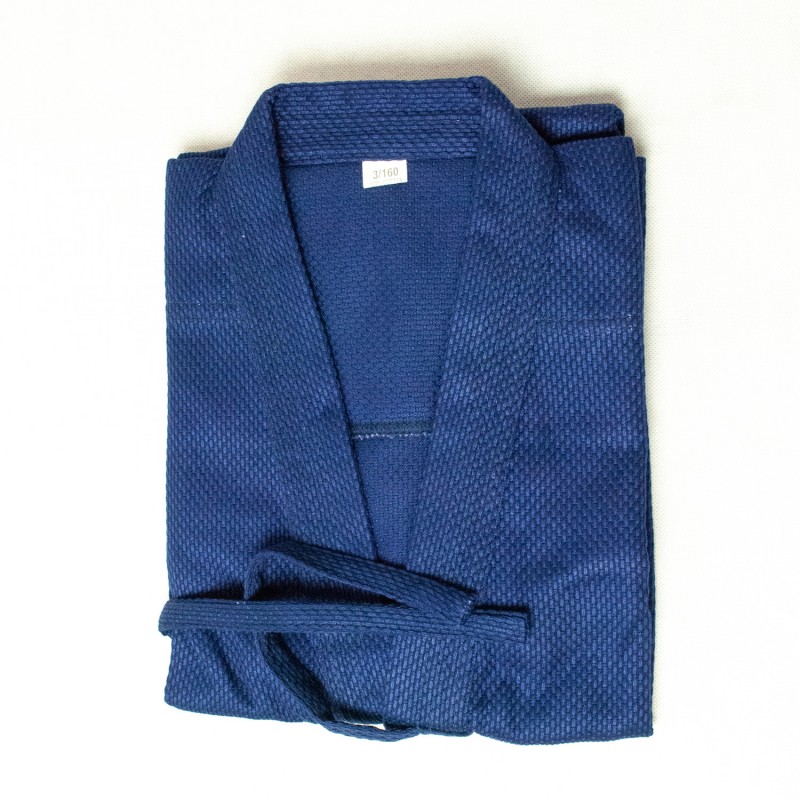
The upper part of the training clothes is traditionally made of tightly woven cotton.
Also kamon, monshō or mondokoro. A symbol identifying a clan or family, often used as a patch on clothing.
A belt used to gird traditional Japanese kimonos, yukatas and keikogi, both for men (approx. 10 cm) and women (approx. 30 cm).
A set of activities aimed at expressing respect for other people - also etiquette.
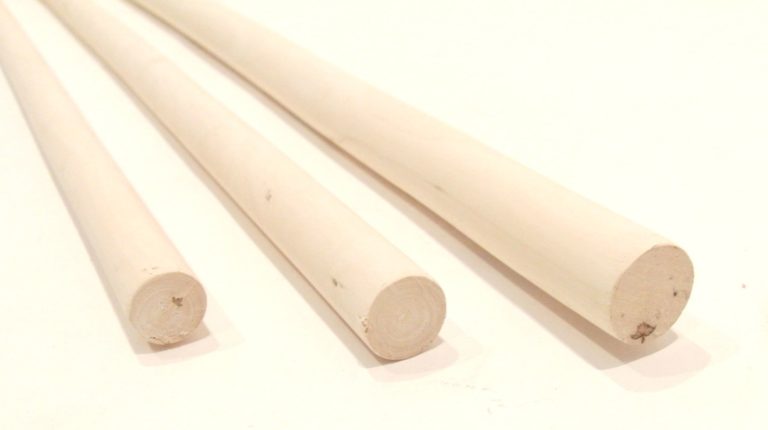
A stick about 1.82 m (6 shaku) long and about 3 cm (1 sun) in diameter, made of a single piece of wood (usually oak or beech), used for fighting when broken
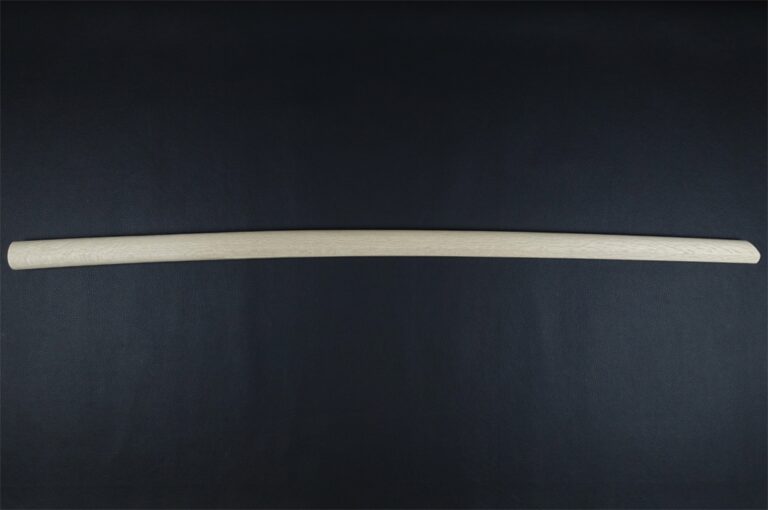
A wooden training sword, usually in the shape of a katana, less often a wakizashi or tantō.
Literally means "dōjō head". The person responsible for the administration of the dōjō.
Pants that are part of the traditional Japanese outfit. Originally, they were worn only by men, but nowadays they are also worn by women. They are also used in Japanese martial arts.
The main, place of honor in the dōjō, with the teacher, a sign with the name of the school and - in some dōjō - a small altar.
A cap, the end (often decorative) of the handle (tsuka), i.e. the head of Japanese swords: (katana, wakizashi, tantō) in the form of a metal or bone cap or mushroom.
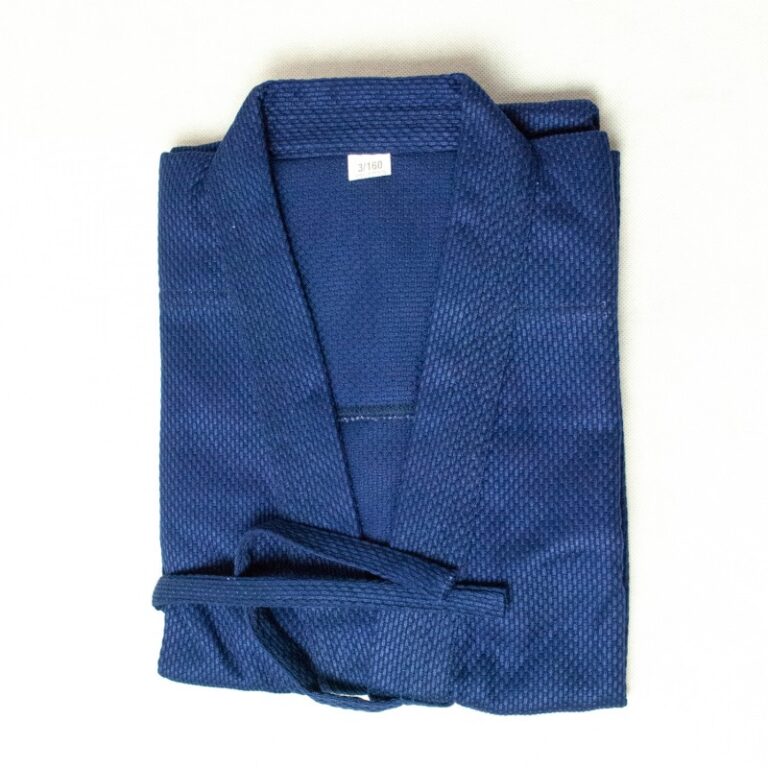
The upper part of the training clothes is traditionally made of tightly woven cotton.
Also kamon, monshō or mondokoro. A symbol identifying a clan or family, often used as a patch on clothing.
A belt used to gird traditional Japanese kimonos, yukatas and keikogi, both for men (approx. 10 cm) and women (approx. 30 cm).
A set of activities aimed at expressing respect for other people - also etiquette.